

Sign in
If you do not have an account, click Create AccountCreate Account
ARE YOU OF LEGAL SMOKING AGE?
Some items are no longer available. Your cart has been updated.

This discount code cannot be used in conjunction with other promotional or discounted offer.

Vaping has become a widespread alternative to smoking in the United States, but one question many users often ask is: “Can you vape indoors?” The answer isn’t simple — it depends on your location, applicable laws, and the rules set by property owners. This guide will walk you through the legal landscape, common everyday scenarios, and how responsible indoor use — including smokeless options — can fit into compliant vaping habits.
At a federal level, there’s no nationwide law that universally allows or bans vaping indoors in all public places in the U.S. However, certain federal properties and transportation have their own rules:
Federal buildings typically ban vaping as part of smoke-free policies.
Airplanes and many transport hubs explicitly prohibit vaping due to safety and clean-air concerns.
This means vaping laws are largely shaped by state and local regulations and individual property policies.
Because there’s no uniform federal rule, every state and many cities have created their own policies:
States like California, New York, Massachusetts, Connecticut, Colorado, and Hawaii ban vaping in many indoor public spaces like bars, restaurants, workplaces, and other enclosed venues.
Other states like Florida and Georgia may be more permissive, allowing business owners to decide their own policies on indoor vaping.
Cities can also impose more stringent local rules — for example, some Texas cities have expanded smoke-free laws to treat vaping the same as smoking in all indoor public spaces.
In many places, local ordinances may ban vaping within a certain distance of building entrances or in specific areas like parks or beaches.
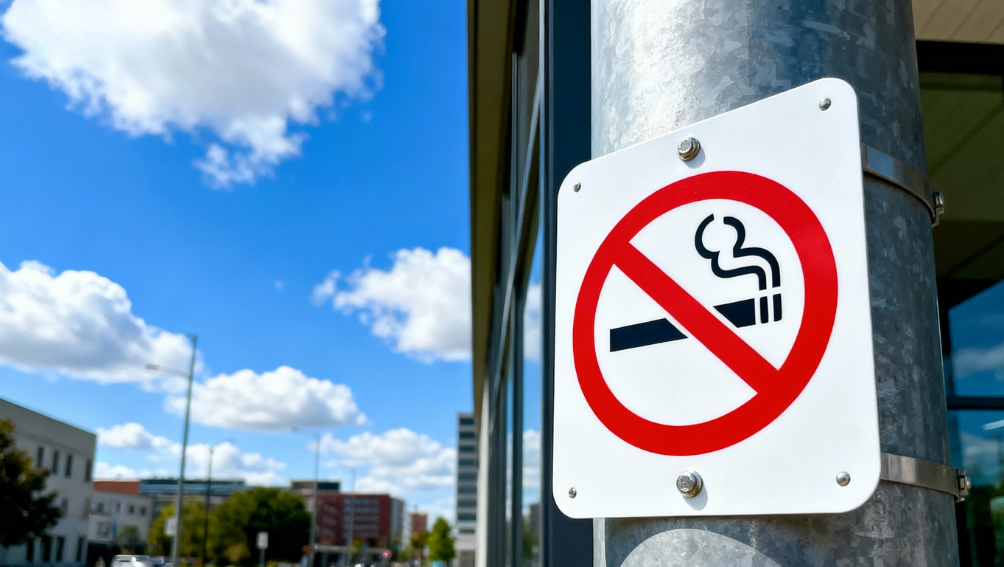
Here’s how indoor vaping typically works in everyday areas:
In many cities, vaping is banned where smoking is prohibited. Even if state law is unclear, establishments frequently adopt “no vaping” policies to protect indoor air quality.
Many workplaces include vaping in clean indoor air policies. Employers often prohibit vaping indoors to ensure a comfortable environment for all employees.
Hospitals, clinics, schools, and universities commonly prohibit vaping indoors, often extending bans beyond traditional smoking rules.
Vaping is almost always banned in cabins, terminals, and transport systems. Airports often have designated outdoor smoking areas, but indoor vaping is off-limits.
If a business has a “No Vaping” sign, that policy is enforceable — even if the law doesn’t explicitly ban vaping there. Owners are free to set standards for their premises.
Even though vaping may be less harmful than smoking traditional cigarettes for adults, indoor vaping is regulated for several reasons:
Secondhand aerosol can contain other particles that bystanders may inhale.
Many venues want to protect indoor air quality and avoid nuisance issues from visible vapor clouds.
Local clean air laws originally focused on smoking have been updated to include vaping.
Most policies are aimed at balancing individual choices with the rights of the public and workers to clean air.
The consequences vary by location:
Some local ordinances may impose fines or warnings for indoor vaping violations.
In private businesses, you can be asked to stop or leave if you violate onsite policies.
Consistent disregard for rules could affect access to certain venues or result in further enforcement.
Here are smart practices to stay within rules and respect others:
Check signage first: If you see "No Smoking or Vaping," assume it applies.
Ask employees politely before vaping in borderline locations.
Choose designated outdoor areas whenever possible.
Consider products or modes designed to be less intrusive indoors, where permitted and compliant.
For vapers looking for tools with minimal indoor impact, products with smokeless or low-aerosol modes offer an option when vaping in places that legally allow it.
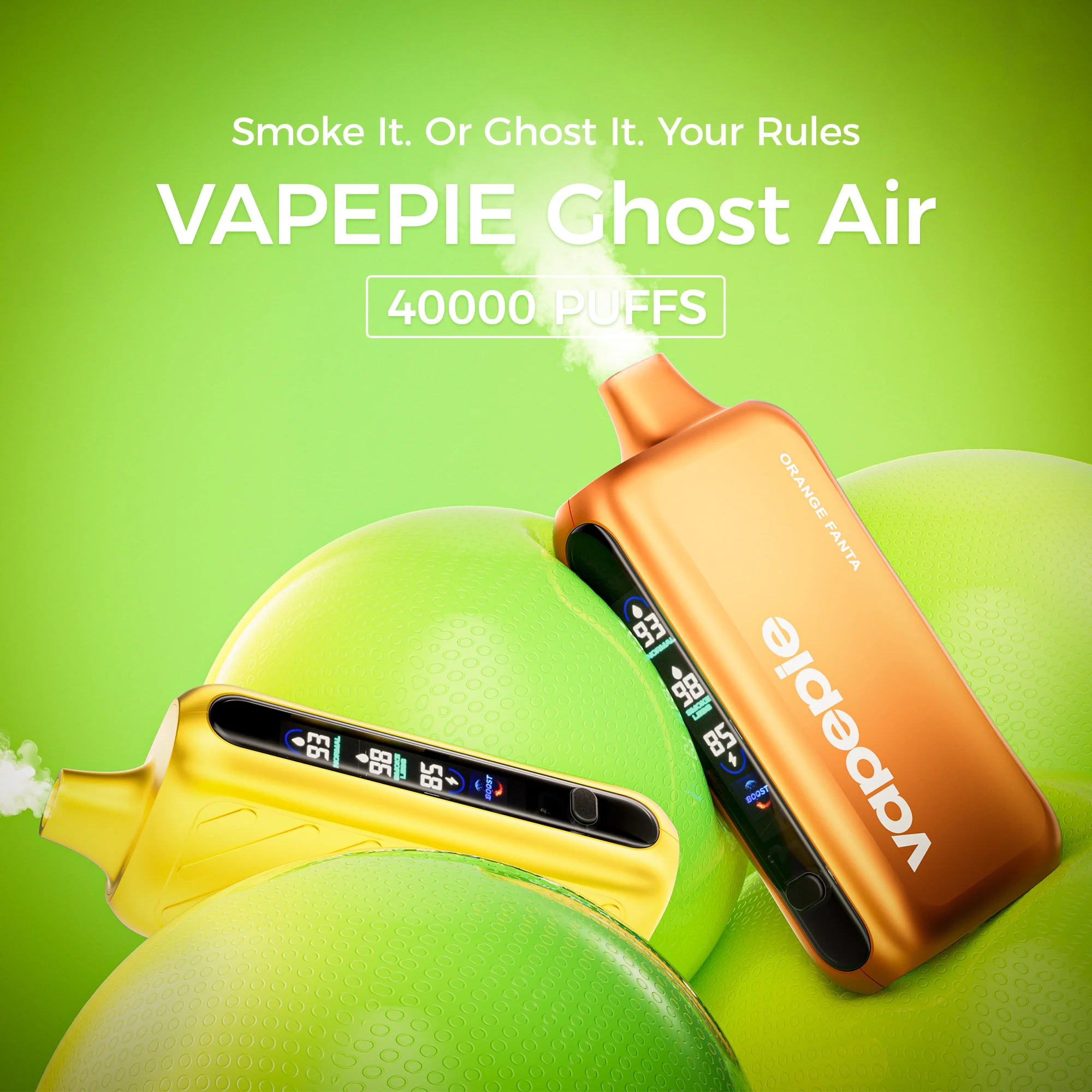
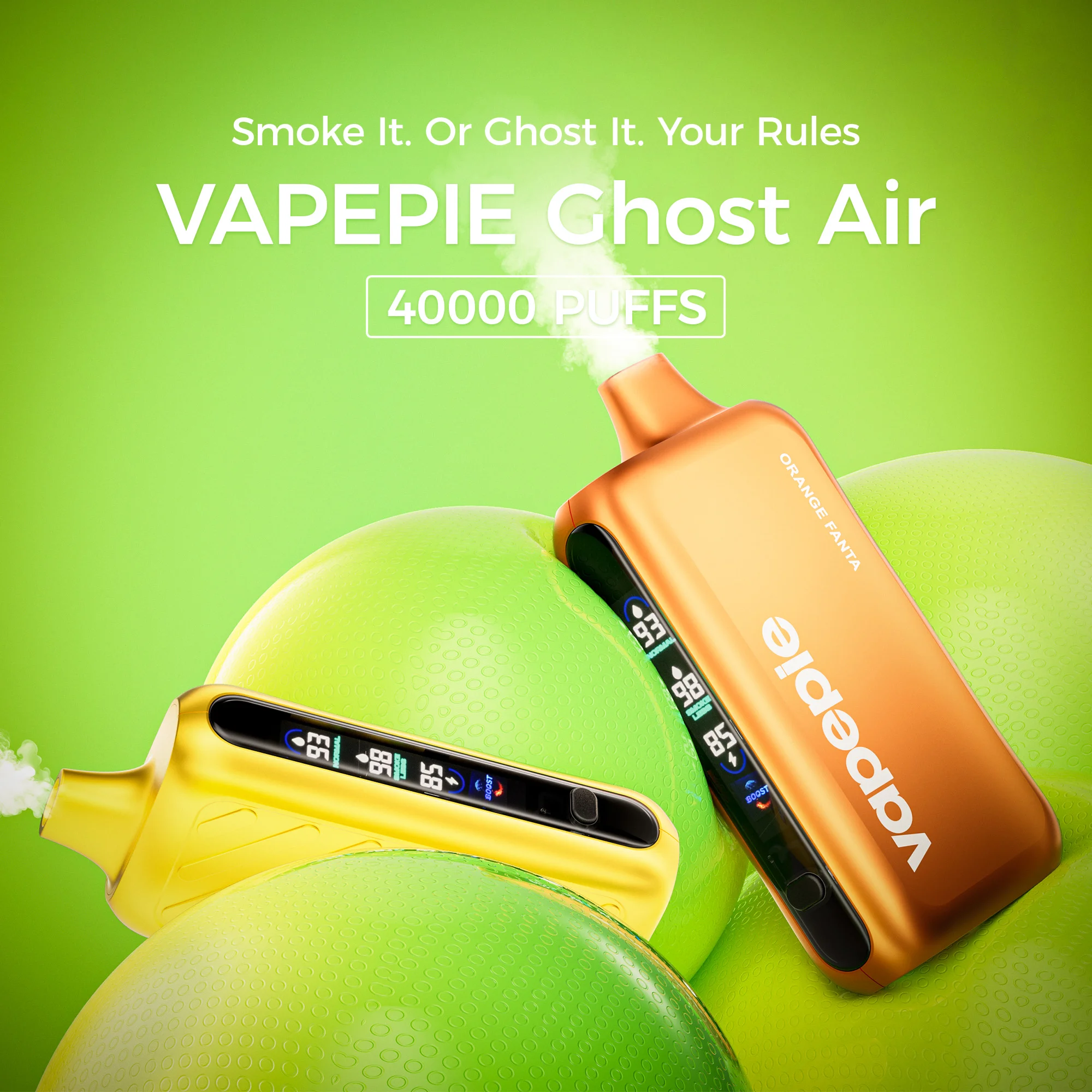
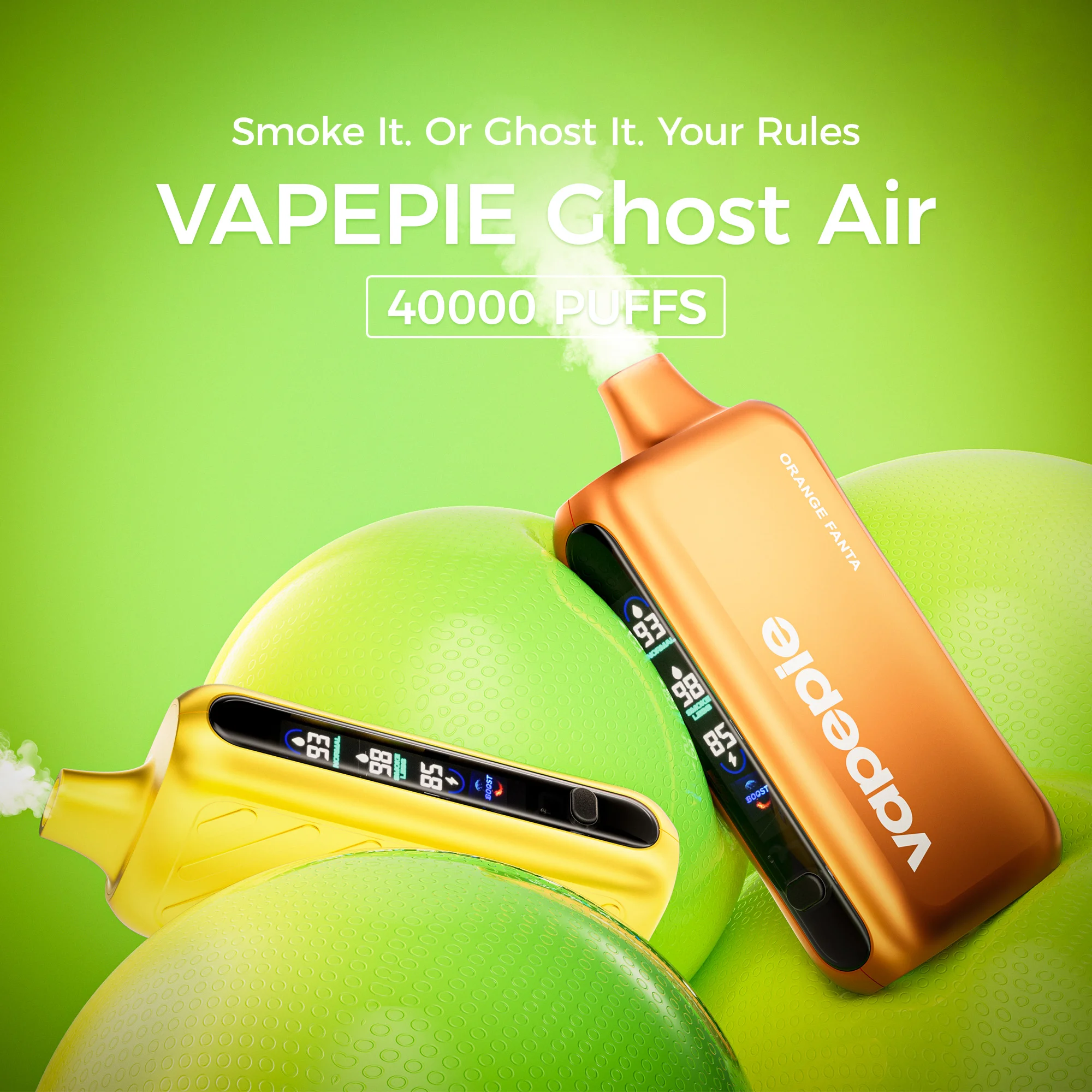
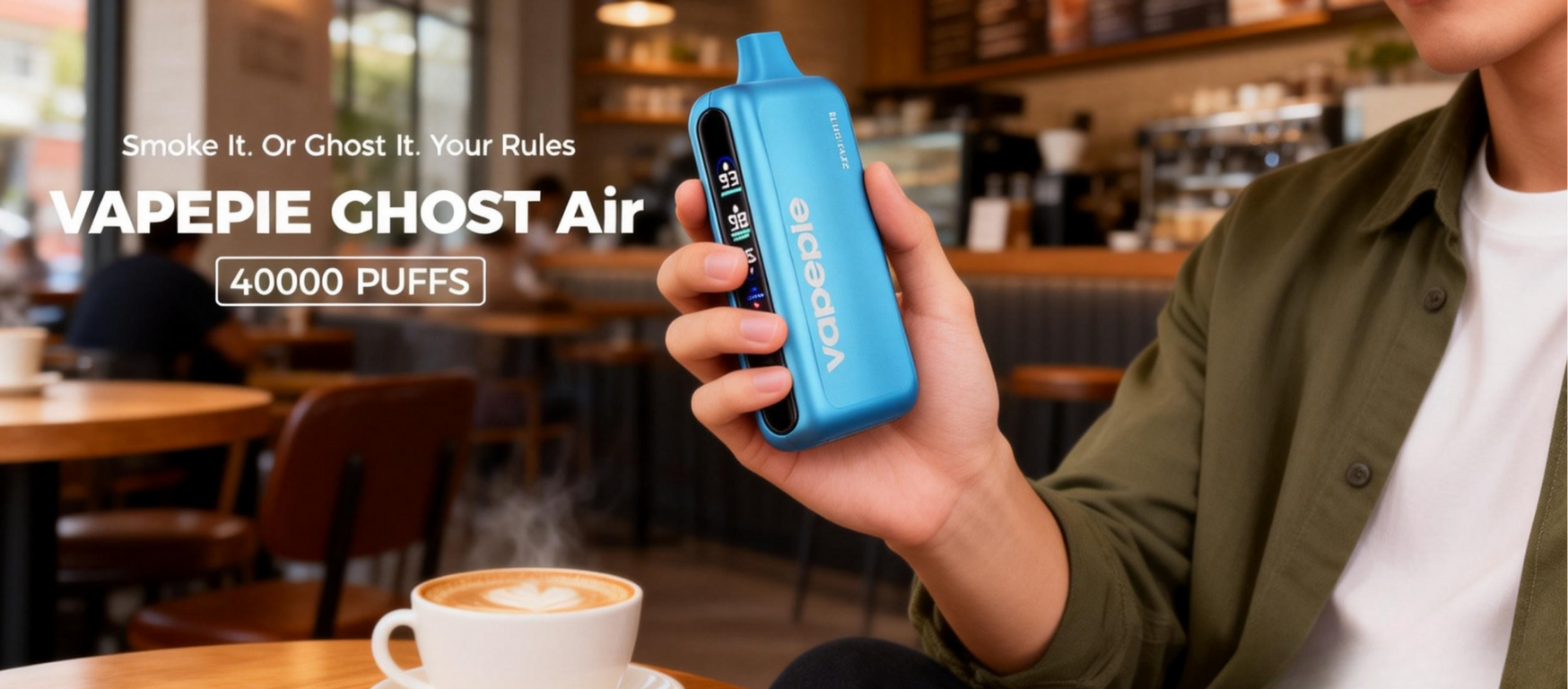
The VAPEPIE GhostAir 40000 Puffs is a high-capacity device designed with features that reduce visible aerosol and odor compared to traditional vaping modes. While no device makes vaping universally acceptable indoors where it may otherwise be restricted, low-aerosol modes can be a considerate choice in private settings or approved areas.
With up to 40,000 puffs from one compact device, GhostAir helps users manage sessions conveniently and responsibly — offering a cleaner profile that can help reduce complaints in shared indoor spaces, without compromising on performance.
Note: Even in smokeless mode, users must always respect local laws and private policies. Smokeless features do not override legal bans in restricted spaces.
In summary:
Indoor vaping legality varies widely by state, city, and property rules.
Many public indoor places treat vaping the same as smoking.
Respect, compliance, and awareness of local rules help maintain a positive vaping environment for everyone.
If you’re unsure about the rules where you are, it’s always safer to step outside, ask, or verify local laws before lighting up.

Comment